The Timeless Artistry of the Handcrafted Stained Glass Suncatcher
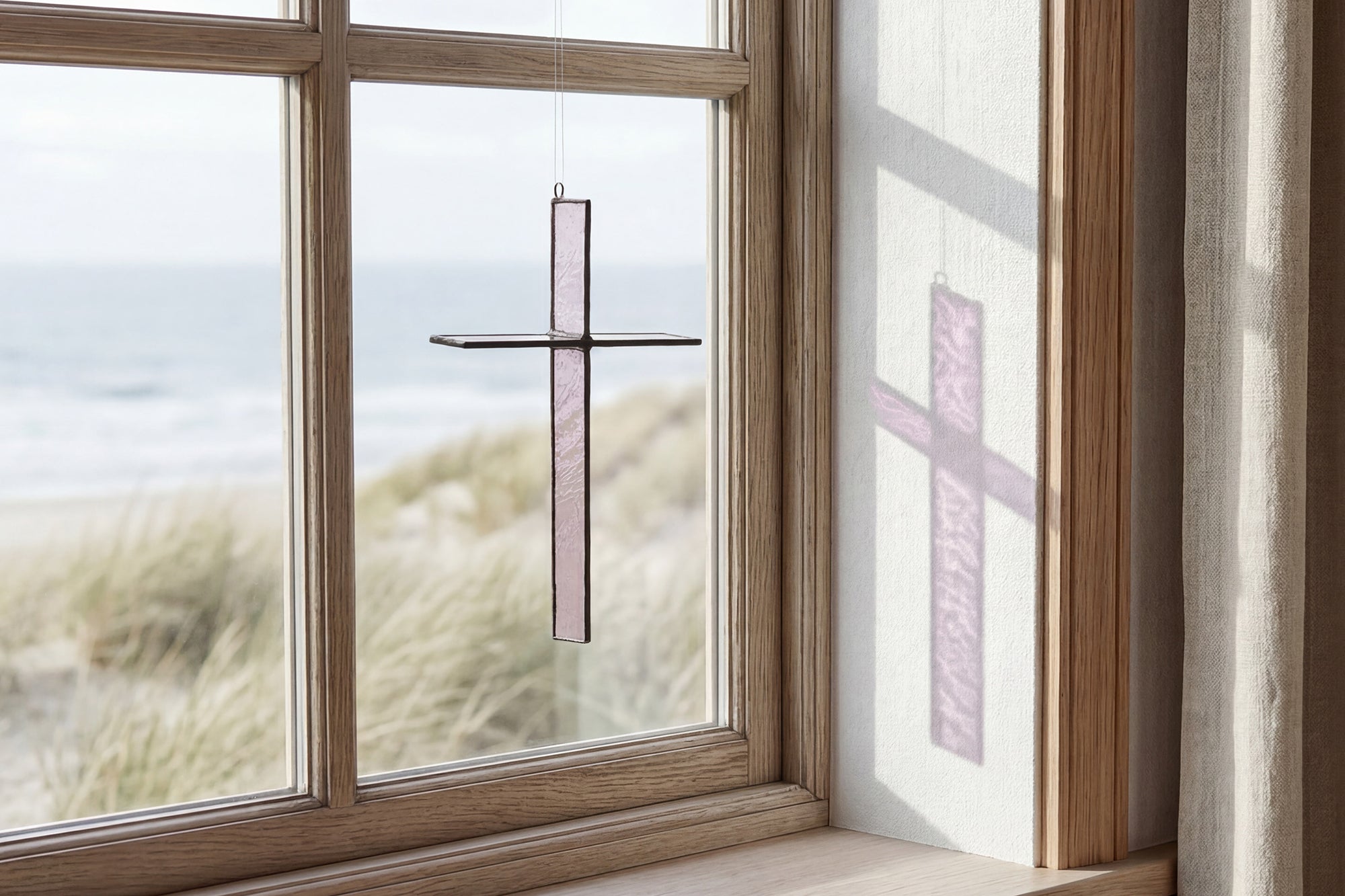
In the world of interior design, few elements possess the transformative power of light. When filtered through high-quality colored glass, natural light becomes an immersive experience, casting vibrant patterns that shift with the passage of the sun. A stained glass suncatcher is more than just a decorative hanging; it is a bridge between the outside world and your interior sanctuary, turning ordinary window spaces into galleries of color.
Prioritizing Authenticity in Home Decor
In an era dominated by mass-produced plastic goods, there is a profound appeal to items that carry the weight and warmth of manual labor. Greyhouse Glass, a studio based in North Carolina, operates on the principle that the maker’s hand is essential to the soul of the work. Every single piece is designed, cut, copper-foiled, and soldered by Grey Hensey. This rejection of mass production ensures that you receive a unique, durable object.
When you purchase a piece that has been produced in a high-volume factory, the charm of the material is often lost to automated cutting and heavy machinery. In contrast, handmade glass captures the nuances of the artist’s touch. The solder lines—often the defining feature of a well-made piece—possess a consistency and depth that machines simply cannot replicate. By choosing handmade, you invest in an object that is meant to last a lifetime.
The Spiritual and Aesthetic Weight of a Stained Glass Cross
For many homeowners, the stained glass cross serves as both an aesthetic anchor and a source of quiet reflection. While the symbol is ancient, the execution at this studio is decidedly modern. The focus on "simple forms" ensures that the cross does not feel heavy or antiquated. Instead, it offers a clean, minimalist silhouette that complements contemporary furniture and open-plan living environments.
The beauty of a simple design lies in its versatility. Whether you are placing it in a sunlit reading nook or mounting it on a gallery wall, the piece commands attention through its purity of color and structure. Because the studio eschews mass production, no two crosses are identical. There is a profound satisfaction in knowing that your wall art was finished by a human who carefully inspected the glass, smoothed the edges, and ensured the solder was applied with perfect precision.
Why Small-Scale Production is a Sustainable Choice
The environmental and social benefits of supporting small-scale studios are significant. Large manufacturing chains often rely on complex supply lines and waste-heavy production methods. By contrast, a small studio in North Carolina maintains a lean, intentional workflow. This method prioritizes the quality of the raw glass and the longevity of the finished product. When you buy a piece that is built to endure, you reduce the need for future replacements.
Furthermore, supporting an independent artist like Grey Hensey ensures the survival of specialized technical skills. The art of copper-foiling and traditional soldering requires years of practice. By choosing these pieces, you are contributing to a creative economy where the artist is fairly valued for their time, vision, and technical mastery. This creates a more sustainable ecosystem that favors quality and artistic integrity over the disposable trends of the fast-fashion home decor market.
The Meditative Experience of Natural Light
Consider the daily routine of a homeowner living with handmade glass. In the morning, when the light hits the window, the space is flooded with gentle, filtered color. This is not just a decorative effect; it is a psychological one. Many find that the presence of light-based art creates a "quiet space" in their homes. It encourages a moment of pause in an otherwise frantic schedule, grounding the room in a sense of peace.
This experience is amplified when the piece is handmade. The artisan’s intentionality—the choice of which color glass goes where, the way the light catches the bevels—is a silent language of care. When you stand near a handcrafted suncatcher, you feel the difference. It is an object with a heartbeat, a piece of art that invites you to breathe, observe the shifting shadows, and appreciate the simple beauty of a home curated with care.
Conclusion
Choosing to decorate your space with handmade glass is a commitment to beauty, quality, and the preservation of craft. Whether you opt for a colorful suncatcher that brings the morning light into your kitchen, or a refined cross that adds a touch of grounded elegance to your living room, you are making a decision that elevates your home. These pieces are not merely accessories; they are testaments to the power of slow, intentional art, designed to inspire and endure in your personal sanctuary.